Enhance Your Home with Premium External Rendering Solutions
- Team @ Rendafacade
- Jun 16
- 5 min read
Updated: 10 hours ago
When it comes to enhancing the aesthetic appeal and functionality of your home, external rendering is a game-changer. This process not only improves the appearance of your property but also provides protection against the elements. In this blog post, we will explore the various benefits of premium external rendering solutions, the different types available, and how to choose the right one for your home.
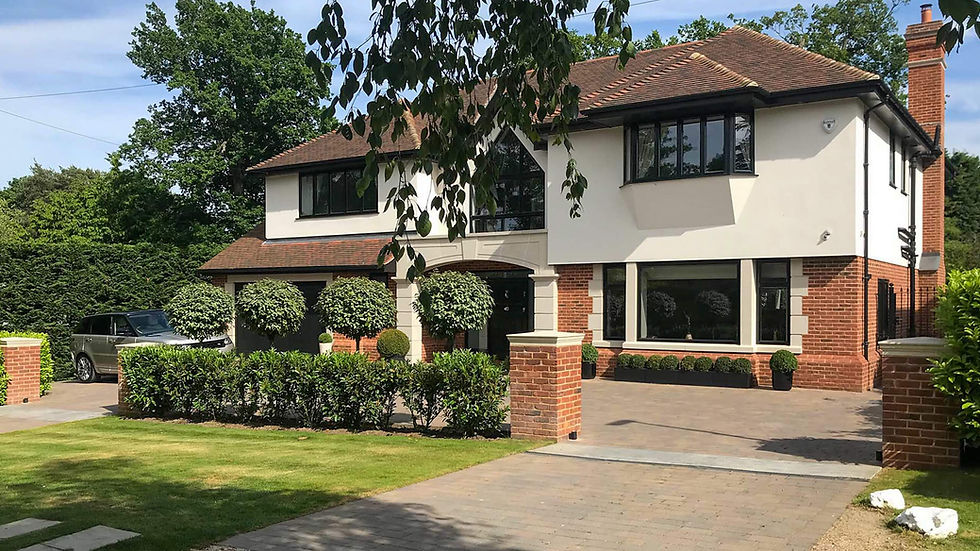
What is External Rendering?
External rendering is the application of a layer of material to the exterior walls of a building. This technique can be used on various surfaces, including brick, concrete, and blockwork. The primary purpose of rendering is to provide a protective layer that enhances the building's appearance while offering insulation and weather resistance.
Benefits of External Rendering
Aesthetic Appeal
External rendering can dramatically transform the look of your home. With a variety of textures, colors, and finishes available, you can customize the appearance to match your style. Whether you prefer a modern, sleek finish or a more traditional look, rendering can help achieve your vision.
Weather Resistance
One of the most significant advantages of external rendering is its ability to protect your home from harsh weather conditions. A well-applied render can prevent water ingress, which can lead to mold and structural damage. This is particularly important in areas with heavy rainfall or extreme temperatures.
Insulation
Rendering can improve your home's insulation, helping to keep it warm in winter and cool in summer. This can lead to reduced energy bills and a more comfortable living environment. Some rendering materials even have insulating properties built-in, providing an extra layer of thermal protection.
Low Maintenance
Unlike traditional paint, which may require frequent touch-ups, rendered surfaces are generally low maintenance. Most modern renders are designed to be durable and resistant to fading, meaning they will look great for years with minimal upkeep.
Increased Property Value
Investing in premium external rendering can increase your home's market value. A well-rendered property is often more appealing to potential buyers, making it a worthwhile investment if you plan to sell in the future.
Types of External Rendering
There are several types of external rendering materials available, each with its unique properties and benefits. Here are some of the most popular options:
1. Acrylic Render
Acrylic render is a flexible, durable option that is resistant to cracking and fading. It is available in a wide range of colors and finishes, making it a popular choice for modern homes. Acrylic render is also easy to apply and can be used on various surfaces.
2. Cement Render
Cement render is a traditional option that provides a robust and weather-resistant finish. It is made from a mixture of cement, sand, and water, and can be applied in multiple layers for added durability. Cement render can be painted or left in its natural state, depending on your preference.
3. Lime Render
Lime render is an eco-friendly option that is breathable and flexible. It is ideal for older properties that require a more traditional finish. Lime render allows moisture to escape, preventing damage to the underlying structure. However, it may require more maintenance than other types of render.
4. Polymer Render
Polymer render is a modern solution that combines the benefits of traditional render with added flexibility and durability. It is resistant to cracking and can be applied in a variety of textures and finishes. Polymer render is also lightweight, making it suitable for a range of surfaces.
5. Monocouche Render
Monocouche render is a single-layer application that provides a smooth, modern finish. It is available in various colors and textures and is designed to be low maintenance. Monocouche render is ideal for new builds and modern renovations.
Choosing the Right External Rendering Solution
Selecting the right external rendering solution for your home can be a daunting task. Here are some factors to consider when making your decision:
1. Property Type
Consider the style and age of your property. Traditional homes may benefit from lime render, while modern builds may be better suited to acrylic or monocouche render. The right choice will enhance your home's character and complement its architectural style.
2. Climate
Your local climate plays a significant role in determining the best rendering material. If you live in an area with heavy rainfall, opt for a weather-resistant option like cement or polymer render. For warmer climates, consider a breathable material like lime render.
3. Budget
Rendering costs can vary significantly depending on the material and the complexity of the application. Set a budget before you start exploring options and consider the long-term benefits of investing in a premium solution.
4. Professional Installation
While some homeowners may consider DIY rendering, hiring a professional is often the best choice. Experienced renderers will ensure a high-quality finish and can help you select the right materials for your home.
The Rendering Process
Understanding the rendering process can help you prepare for your project. Here’s a step-by-step overview of what to expect:
1. Surface Preparation
Before applying the render, the surface must be cleaned and prepared. This may involve removing any loose paint, dirt, or debris. In some cases, a bonding agent may be applied to ensure proper adhesion.
2. Application
The render is typically applied in multiple layers. The first layer, known as the scratch coat, is applied to create a rough surface for the subsequent layers to adhere to. After the scratch coat has cured, the finishing layer is applied to achieve the desired texture and appearance.
3. Curing
Once the render is applied, it must cure properly to achieve maximum strength and durability. This process can take several days, depending on the type of render and environmental conditions.
4. Finishing Touches
After the render has cured, any final touches, such as painting or sealing, can be completed. This is also the time to add any decorative elements, such as moldings or trims, to enhance the overall appearance.
Maintenance Tips for Rendered Surfaces
To keep your rendered surfaces looking their best, follow these maintenance tips:
Regular Cleaning: Clean your rendered surfaces regularly to remove dirt and grime. A gentle wash with soap and water is usually sufficient.
Inspect for Damage: Periodically check for cracks or damage. Address any issues promptly to prevent further deterioration.
Repaint as Needed: If you choose a painted finish, be prepared to repaint every few years to maintain the appearance.
Avoid Harsh Chemicals: When cleaning, avoid using harsh chemicals that could damage the render.
Conclusion
Enhancing your home with premium external rendering solutions is a smart investment that can improve both aesthetics and functionality. With various materials available, you can choose the perfect option to suit your style, climate, and budget. By understanding the benefits and maintenance requirements, you can enjoy a beautiful, durable exterior that stands the test of time.
Take the first step towards transforming your home today. Explore your options for premium external rendering and discover how it can elevate your living space.


Comments